
Undergoing Total Knee Replacement (TKR) surgery is a major step toward living a pain-free and active life. While the surgery replaces the damaged knee joint, the real transformation happens during rehabilitation. Without proper physiotherapy, patients may continue to experience stiffness, weakness, difficulty walking, and slow recovery.
That is why professional Post-operative TKR recovery Tilak Nagar programs are essential for regaining mobility, balance, flexibility, and confidence after surgery.
At SMASH Physiotherapy Clinic in Jaipur, patients receive personalized post-operative rehabilitation plans designed to improve movement safely and gradually. The clinic focuses not only on reducing pain but also on helping patients return to daily activities independently.
This detailed guide explains how physiotherapy supports recovery after knee replacement surgery, what patients should expect during rehabilitation, and why SMASH is a trusted name for Post-operative TKR recovery Tilak Nagar.
What Happens After Knee Replacement Surgery?
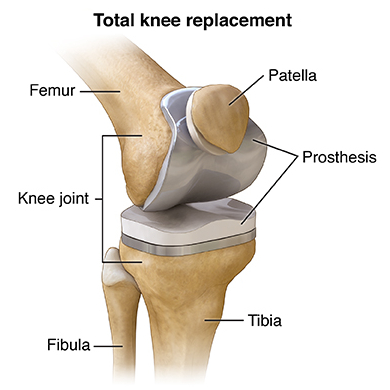
After Total Knee Replacement surgery, the damaged surfaces of the knee are replaced with artificial implants. Although surgery improves joint function, surrounding muscles, ligaments, and tissues still need rehabilitation to function properly again.
Immediately after surgery, patients commonly experience:
- Swelling around the knee
- Muscle weakness
- Difficulty walking
- Limited bending and straightening
- Pain during movement
- Reduced balance and coordination
This is where physiotherapy becomes extremely important.
Why Rehabilitation Matters After TKR Surgery
Many patients believe surgery alone will restore normal walking. However, recovery depends heavily on post-operative rehabilitation.
Professional Post-operative TKR recovery Tilak Nagar programs help patients:
- Walk more comfortably
- Improve knee flexibility
- Build leg strength
- Reduce swelling and stiffness
- Improve confidence while moving
- Return to routine activities faster
At SMASH Physiotherapy Clinic in Jaipur, recovery plans are customized based on age, mobility level, and surgical condition.
6 Smart Rehabilitation Strategies for Faster Recovery
1. Early Mobility Training
One of the biggest mistakes after surgery is avoiding movement completely. Controlled movement is necessary for healing.
Benefits of Early Mobility:
- Improves blood circulation
- Prevents stiffness
- Reduces swelling
- Improves confidence during walking
Physiotherapists at SMASH guide patients through safe movement techniques immediately after surgery.
2. Knee Flexibility Restoration
After TKR surgery, many patients struggle to bend or straighten the knee fully.
Physiotherapy Focuses On:
- Improving knee bending
- Restoring extension
- Preventing stiffness
- Improving joint movement
Exercises are introduced gradually to improve flexibility without straining the knee.
3. Muscle Strength Rebuilding
The muscles around the knee become weak after surgery and inactivity.
Key Muscles Targeted Include:
- Quadriceps
- Hamstrings
- Calf muscles
- Glute muscles
Strong muscles reduce pressure on the artificial joint and improve walking ability.
4. Walking and Balance Correction
Patients often develop fear or imbalance while walking after surgery.
Physiotherapy Helps Improve:
- Walking posture
- Balance control
- Stair climbing
- Weight distribution
- Walking confidence
This makes Post-operative TKR recovery Tilak Nagar more effective and safer.
5. Pain and Swelling Reduction Techniques
Pain and swelling are common during recovery.
Advanced Treatments Include:
- Ice therapy
- Compression techniques
- Ultrasound therapy
- IFT Therapy
- Manual therapy
These techniques help improve comfort during rehabilitation.
6. Functional Recovery Training
The ultimate goal is to help patients return to normal life activities independently.
Functional Rehabilitation Includes:
- Sitting and standing comfortably
- Climbing stairs
- Walking outdoors
- Household movement
- Improving endurance
At SMASH Physiotherapy Clinic in Jaipur, therapists focus on practical movement recovery, not just exercises.
Recovery Timeline After TKR Surgery
Every patient heals differently, but physiotherapy helps speed up progress.
Week 1-2: Initial Recovery
Main Focus:
- Managing swelling
- Gentle movement
- Assisted walking
- Pain management
Week 3-6: Strength & Mobility Phase
Main Focus:
- Improving flexibility
- Building muscle strength
- Walking with better balance
Week 7-12: Functional Recovery
Main Focus:
- Independent walking
- Stair training
- Improving endurance
- Daily activity recovery
3-6 Months: Advanced Recovery
Main Focus:
- Better joint confidence
- Long-distance walking
- Recreational activities
- Long-term mobility improvement
Most Effective Exercises After Knee Replacement
A structured exercise routine is essential for successful Post-operative TKR recovery Tilak Nagar.
1. Ankle Pumps
Improve blood flow and reduce swelling.
2. Heel Slides
Help improve knee bending.
3. Straight Leg Raises
Strengthen the quadriceps muscles safely.
4. Seated Knee Extensions
Improve knee control and strength.
5. Sit-to-Stand Practice
Improves functional movement.
6. Step Training
Enhances balance and coordination.
Why Some Patients Recover Slowly
Several factors can delay recovery:
- Skipping physiotherapy sessions
- Fear of movement
- Poor exercise consistency
- Excessive bed rest
- Weak muscles before surgery
- Improper walking habits
Professional Post-operative TKR recovery Tilak Nagar programs help prevent these issues.
Importance of Confidence During Recovery
Many patients become mentally hesitant after surgery. Fear of pain or falling can reduce movement and delay recovery.
Physiotherapists help patients:
- Build movement confidence
- Improve balance safely
- Walk independently again
- Return to social activities comfortably
Advanced Physiotherapy Treatments at SMASH
At SMASH Physiotherapy Clinic in Jaipur, modern rehabilitation techniques improve recovery outcomes.
Treatment Methods Include:
- Manual therapy
- Electrotherapy
- Muscle activation training
- Dry needling
- Functional mobility drills
- Balance training
These advanced techniques improve the success of Post-operative TKR recovery Tilak Nagar.
Daily Habits That Support Faster Recovery
Simple lifestyle changes can improve healing significantly.
Helpful Recovery Habits:
- Stay consistent with exercises
- Walk regularly as advised
- Eat nutritious meals
- Sleep properly
- Avoid sitting for long hours
- Maintain proper posture while walking
Nutrition Tips After Knee Replacement
Healthy nutrition supports tissue repair and muscle strength.
Recommended Nutrients:
- Protein for muscle recovery
- Calcium for bone health
- Vitamin D for joint support
- Fruits and vegetables for healing
Hydration is equally important during rehabilitation.
When Should You Seek Professional Physiotherapy Help?
Consult a physiotherapist if you experience:
- Persistent swelling
- Difficulty bending the knee
- Severe stiffness
- Trouble walking
- Fear of movement
- Ongoing weakness
Early physiotherapy improves long-term results.
Why Choose SMASH Physiotherapy Clinic in Jaipur?
Patients prefer SMASH because of:
- Experienced rehabilitation specialists
- Personalized therapy programs
- One-on-one patient attention
- Advanced physiotherapy equipment
- Patient-focused recovery planning
- Long-term mobility improvement strategies
This makes SMASH a trusted option for Post-operative TKR recovery Tilak Nagar.
Long-Term Benefits of Proper TKR Rehabilitation
With consistent physiotherapy care, patients experience:
- Better walking ability
- Reduced knee stiffness
- Improved balance
- Increased leg strength
- Better confidence in movement
- Improved quality of life
Conclusion
Recovering from Total Knee Replacement surgery requires patience, consistency, and the right rehabilitation support. Surgery may replace the joint, but physiotherapy restores movement, confidence, and independence.
If you are searching for expert Post-operative TKR recovery Tilak Nagar, SMASH Physiotherapy Clinic in Jaipur offers advanced rehabilitation programs, personalized physiotherapy treatment, and complete recovery guidance for long-term knee health.