
An ACL (Anterior Cruciate Ligament) injury is one of the most common yet serious knee injuries, especially among athletes and physically active individuals. Whether the injury occurs during sports, sudden twisting movements, or accidents, recovery depends heavily on following a structured and scientifically designed ACL rehabilitation protocol.
Simply resting or doing random exercises is not enough. A well-planned rehabilitation program ensures proper healing, restores knee stability, prevents re-injury, and helps patients return safely to daily activities or sports.
In Jaipur, SMASH Physiotherapy Clinic is widely trusted for its evidence-based ACL rehabilitation programs. This blog explains what an ACL rehabilitation protocol is, why it matters, and the 5 structured phases followed at SMASH Physiotherapy Clinic in Jaipur for optimal recovery.
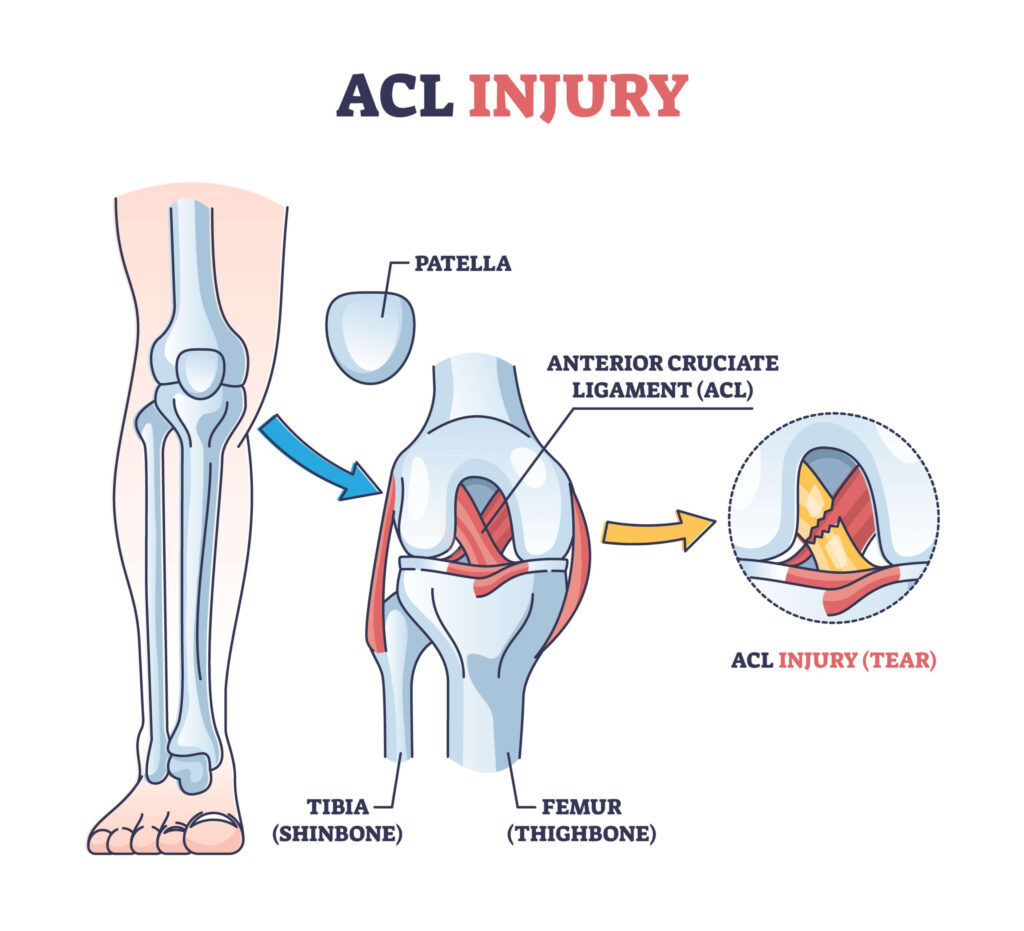
Understanding ACL Injury and Its Impact
The ACL is a key ligament that stabilizes the knee joint. When injured or torn, patients may experience:
- Knee instability
- Swelling and pain
- Difficulty walking or running
- Reduced strength and balance
- Fear of movement or re-injury
Without a proper ACL rehabilitation protocol, recovery may be incomplete, leading to long-term knee problems.
Why a Structured ACL Rehabilitation Protocol Is Crucial
ACL rehabilitation is not just about healing the ligament—it’s about restoring full knee function. A structured protocol helps to:
- Control pain and swelling
- Restore knee range of motion
- Strengthen surrounding muscles
- Improve balance and coordination
- Prepare the knee for sports or daily activity
At SMASH Physiotherapy Clinic in Jaipur, rehabilitation follows globally accepted clinical guidelines tailored to each patient.
Who Needs an ACL Rehabilitation Protocol?
An ACL rehabilitation protocol is essential for:
- Patients with ACL tears
- Post-ACL reconstruction surgery patients
- Athletes returning to sports
- Individuals with knee instability
- Patients experiencing weakness after knee injury
Both surgical and non-surgical ACL cases require physiotherapy-guided rehabilitation.
5 Evidence-Based Phases of the ACL Rehabilitation Protocol at SMASH Physiotherapy Clinic
Phase 1: Pain Control & Knee Protection (Initial Phase)
The first phase of the ACL rehabilitation protocol focuses on protecting the knee and reducing inflammation.
Goals of Phase 1:
- Reduce pain and swelling
- Protect the healing ligament or graft
- Restore gentle knee movement
- Prevent muscle stiffness
Physiotherapy Techniques Used:
- Cryotherapy (cold therapy)
- Gentle range-of-motion exercises
- Isometric muscle activation
- Swelling management techniques
This phase lays the foundation for safe recovery.
Phase 2: Restoring Mobility & Muscle Activation
Once pain and swelling reduce, the focus shifts to restoring normal knee movement and activating muscles.
Goals of Phase 2:
- Improve knee bending and straightening
- Activate quadriceps and hamstrings
- Improve weight-bearing ability
- Begin controlled functional movement
Treatment Approach:
- Assisted knee mobility exercises
- Closed-chain strengthening exercises
- Gait (walking) training
- Core and hip muscle activation
At SMASH Physiotherapy Clinic, exercises are progressed only when the knee is ready.
Phase 3: Strengthening & Stability Training
This phase is a crucial part of the ACL rehabilitation protocol and focuses on building strength and joint stability.
Goals of Phase 3:
- Increase muscle strength
- Improve knee stability
- Enhance balance and coordination
- Prepare for higher activity levels
Physiotherapy Techniques:
- Progressive resistance training
- Balance and proprioception exercises
- Functional strengthening
- Controlled agility drills
Strong muscles around the knee reduce stress on the ACL and prevent re-injury.
Phase 4: Advanced Functional & Sports-Specific Training
This phase is especially important for athletes and active individuals.
Goals of Phase 4:
- Restore full knee function
- Improve speed, agility, and control
- Prepare for sports or high-impact activities
- Build confidence in knee movement
Advanced Training Includes:
- Plyometric exercises
- Jump and landing mechanics
- Direction-change drills
- Sport-specific movement patterns
SMASH Physiotherapy Clinic customizes this phase based on the patient’s activity level and goals.
Phase 5: Return-to-Activity & Injury Prevention
The final phase of the ACL rehabilitation protocol ensures safe return to daily life or sports while minimizing re-injury risk.
Goals of Phase 5:
- Restore full strength and endurance
- Ensure proper movement mechanics
- Prevent future ACL injuries
- Educate patients on long-term knee care
Focus Areas:
- Functional performance testing
- Injury prevention exercises
- Home exercise planning
- Long-term strengthening strategies
Patients are cleared for return to activity only after meeting specific clinical criteria.
ACL Rehabilitation Protocol: Surgical vs Non-Surgical Cases
Post-Surgical ACL Rehabilitation
- Structured timeline-based recovery
- Graft protection emphasized
- Gradual return to activity
Non-Surgical ACL Rehabilitation
- Focus on stability and muscle control
- Activity modification
- Strength and neuromuscular training
SMASH Physiotherapy Clinic designs protocols based on the patient’s treatment path.
Why Choose SMASH Physiotherapy Clinic in Jaipur for ACL Rehabilitation?
Patients trust SMASH because of:
✔ Evidence-based ACL rehabilitation protocols
✔ Experienced sports physiotherapists
✔ One-on-one supervised sessions
✔ Advanced strengthening and mobility techniques
✔ Sports-specific rehabilitation programs
✔ Focus on long-term knee health
This makes SMASH a leading destination for ACL recovery in Jaipur.
Common Mistakes to Avoid During ACL Rehabilitation
- Skipping physiotherapy sessions
- Rushing return to sports
- Ignoring pain or swelling
- Doing unsupervised exercises
- Stopping rehab too early
Following a professional ACL rehabilitation protocol prevents these mistakes.
How Long Does ACL Rehabilitation Take?
Recovery timelines vary depending on:
- Severity of injury
- Surgical vs non-surgical treatment
- Patient compliance
- Activity level
On average:
- Daily activities: 8–12 weeks
- Sports return: 6–9 months
Consistent physiotherapy ensures optimal recovery.
Conclusion
Recovering from an ACL injury requires patience, discipline, and expert guidance. A scientifically designed ACL rehabilitation protocol plays a critical role in restoring knee strength, stability, and confidence.
At SMASH Physiotherapy Clinic in Jaipur, patients receive structured, phase-wise rehabilitation programs backed by evidence-based practice and personalized care. Whether you are an athlete or someone aiming to return to pain-free daily activity, SMASH ensures safe and effective ACL recovery.
Choosing the right physiotherapy clinic can make all the difference—and SMASH stands as a trusted partner in your ACL rehabilitation journey.