
Myofascial Pain Syndrome specialist Raja Park is a common search term among individuals experiencing persistent muscle pain, trigger points, stiffness, and unexplained discomfort that does not improve with rest alone. Many people live with chronic muscle tension for months or even years without realizing that the root cause may be Myofascial Pain Syndrome (MPS), a condition affecting muscles and the surrounding fascia. Left untreated, MPS can interfere with daily activities, sleep quality, work productivity, and overall physical well-being.
At SMASH Physiotherapy Clinic in Jaipur, our physiotherapists specialize in identifying and treating Myofascial Pain Syndrome through advanced rehabilitation techniques, myofascial release therapy, dry needling, posture correction, and customized exercise programs. This guide explains the causes, symptoms, treatment options, and recovery strategies for patients seeking expert care from a Myofascial Pain Syndrome specialist Raja Park.
What Is Myofascial Pain Syndrome?
Myofascial Pain Syndrome is a chronic pain condition affecting muscles and the connective tissues surrounding them, known as fascia.
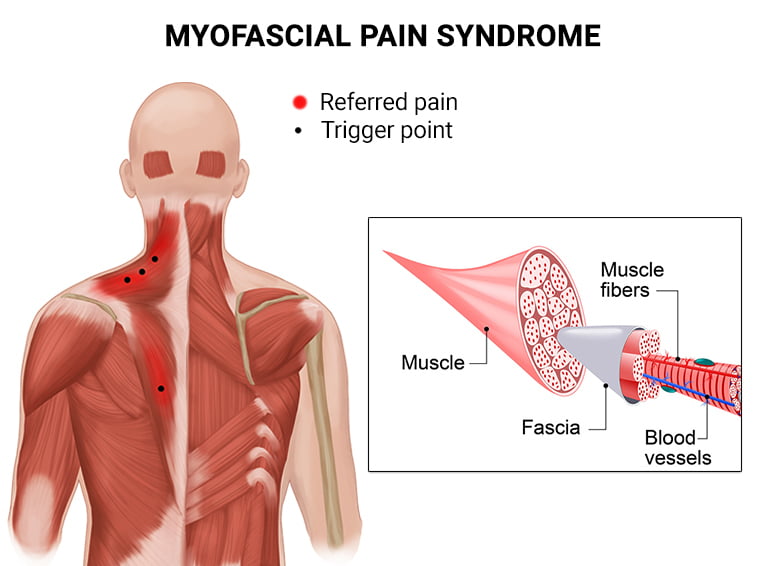
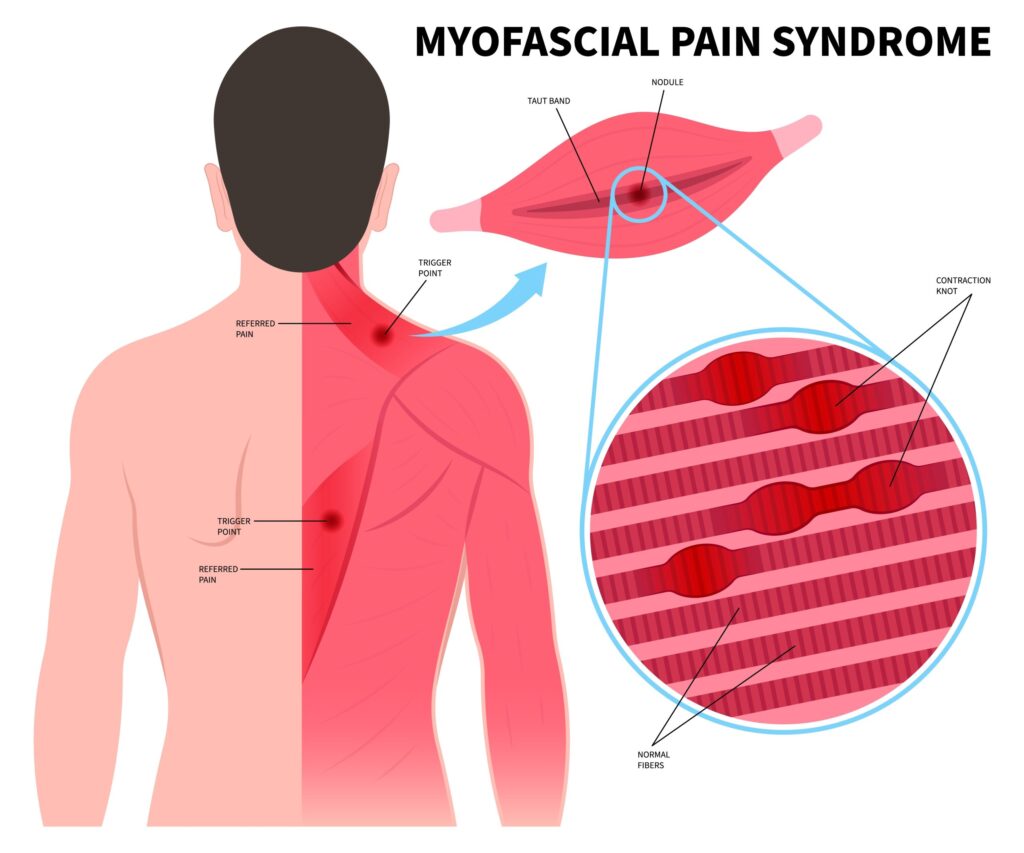
The condition develops when highly sensitive areas called trigger points form within muscle fibers. These trigger points can cause pain directly at the site or refer pain to other parts of the body.
Unlike general muscle soreness, trigger point pain often persists and can worsen over time if left untreated.
Understanding Trigger Points
Trigger points are tight knots within muscle tissue.
When pressure is applied to these areas, they may cause:
- Localized pain
- Muscle tenderness
- Referred pain
- Reduced flexibility
- Muscle weakness
Trigger points can develop in almost any muscle group and are one of the primary reasons patients seek help from a Myofascial Pain Syndrome specialist Raja Park.
5 Hidden Causes of Chronic Muscle Pain You Should Know
1. Poor Posture and Prolonged Sitting
Modern lifestyles often require long hours of sitting at desks, using computers, and looking down at mobile devices.
Over time, poor posture places excessive strain on:
- Neck muscles
- Shoulder muscles
- Upper back muscles
- Lower back muscles
This constant stress can lead to trigger point formation and chronic pain.
2. Repetitive Movements
Repeated movements performed at work, during sports, or in daily activities can overload specific muscles.
Examples include:
- Typing
- Driving
- Lifting
- Racquet sports
- Gym training
Overuse may result in persistent muscular tightness and pain.
3. Stress and Muscle Tension
Emotional stress often manifests physically through muscle tension.
Common stress-related areas include:
- Neck
- Shoulders
- Jaw muscles
- Upper back
Persistent tension increases the likelihood of developing trigger points.
4. Previous Injuries
Muscles often compensate after injuries.
Without proper rehabilitation, compensation patterns may create:
- Muscle imbalances
- Restricted movement
- Chronic trigger points
This is why physiotherapy is essential following injuries.
5. Lack of Physical Activity
Sedentary lifestyles contribute to:
- Poor circulation
- Muscle stiffness
- Reduced flexibility
Inactive muscles become more susceptible to trigger point development and chronic pain.
Common Symptoms of Myofascial Pain Syndrome
Symptoms vary depending on the muscles involved.
Frequently Reported Symptoms Include:
- Deep aching muscle pain
- Persistent neck pain
- Shoulder tightness
- Upper back discomfort
- Lower back pain
- Headaches
- Muscle stiffness
- Fatigue
- Reduced range of motion
Many patients report symptoms that worsen during stress or prolonged inactivity.
Areas Commonly Affected by Trigger Points
Neck Muscles
Can cause:
- Neck stiffness
- Headaches
- Shoulder pain
Shoulder Muscles
May lead to:
- Difficulty lifting the arm
- Persistent shoulder discomfort
Upper Back Muscles
Often produce:
- Tightness between the shoulder blades
- Postural discomfort
Lower Back Muscles
Can contribute to:
- Chronic back pain
- Reduced flexibility
Why Myofascial Pain Syndrome Is Often Misdiagnosed
One of the biggest challenges with MPS is that symptoms frequently resemble other conditions.
Patients are often treated for:
- Cervical spondylosis
- Frozen shoulder
- Sciatica
- Migraine headaches
- Arthritis
without identifying the underlying trigger points.
Consulting a qualified Myofascial Pain Syndrome specialist Raja Park helps ensure accurate diagnosis and targeted treatment.
How Physiotherapy Helps Treat Myofascial Pain Syndrome
Physiotherapy focuses on eliminating trigger points and correcting the factors that contribute to them.
Treatment Goals Include:
- Pain reduction
- Muscle relaxation
- Improved flexibility
- Better posture
- Enhanced movement patterns
- Prevention of recurrence
Advanced Physiotherapy Treatments at SMASH Physiotherapy Clinic
1. Myofascial Release Therapy
A specialized hands-on technique that targets tight fascia and trigger points.
Benefits:
- Improved circulation
- Reduced muscle tension
- Enhanced flexibility
2. Dry Needling Therapy
One of the most effective treatments for trigger points.
Dry needling helps:
- Release tight muscles
- Improve blood flow
- Reduce pain
3. Manual Therapy
Hands-on mobilization techniques improve tissue movement and reduce stiffness.
4. Stretching Programs
Targeted stretching restores flexibility and reduces muscle tightness.
5. Posture Correction Training
Addressing postural problems prevents trigger points from recurring.
6. Strengthening Exercises
Improving muscle endurance helps support long-term recovery.
Best Exercises for Managing Myofascial Pain Syndrome
Chin Tucks
Improve neck posture.
Shoulder Blade Squeezes
Strengthen upper back muscles.
Cat-Cow Stretch
Enhance spinal mobility.
Chest Stretch
Reduce shoulder tightness.
Foam Rolling Exercises
Help release muscle tension.
Core Strengthening Exercises
Support spinal stability.
Lifestyle Changes That Support Recovery
Successful treatment extends beyond clinic sessions.
Helpful Habits Include:
- Regular stretching
- Ergonomic workstation setup
- Frequent movement breaks
- Stress management
- Adequate hydration
- Consistent physical activity
When Should You See a Specialist?
Consult a Myofascial Pain Syndrome specialist Raja Park if:
- Muscle pain persists for weeks
- Pain returns repeatedly
- Headaches are linked to muscle tension
- Movement becomes restricted
- Daily activities are affected
Early intervention often leads to better outcomes.
Why Choose SMASH Physiotherapy Clinic in Jaipur?
Patients choose SMASH because of its comprehensive approach to chronic pain management.
Key Advantages Include:
- Experienced physiotherapists
- Advanced myofascial release techniques
- Dry needling expertise
- Personalized treatment plans
- One-on-one rehabilitation sessions
- Long-term recovery strategies
These qualities make SMASH a trusted destination for individuals searching for a Myofascial Pain Syndrome specialist Raja Park.
Long-Term Benefits of Physiotherapy for MPS
Patients who complete structured rehabilitation often experience:
- Reduced pain
- Better posture
- Improved flexibility
- Increased mobility
- Fewer headaches
- Enhanced quality of life
Conclusion
Myofascial Pain Syndrome is a common yet often overlooked cause of chronic muscle pain. Without proper diagnosis and treatment, trigger points can continue to affect daily activities, sleep, and overall well-being.
If you are searching for a trusted Myofascial Pain Syndrome specialist Raja Park, SMASH Physiotherapy Clinic in Jaipur offers advanced physiotherapy treatments, myofascial release therapy, dry needling, and personalized rehabilitation programs designed to provide lasting relief and restore healthy movement.
If you are searching for top-rated Physiotherapy clinic near me in Jaipur, SMASH Physiotherapy Clinic offers expert pain management, myofascial release therapy, posture correction, and customized physiotherapy programs for long-term recovery and improved quality of life.