
Ligament injuries are among the most common musculoskeletal problems affecting athletes, fitness enthusiasts, and even individuals performing routine daily activities. A sudden twist of the knee, an awkward landing, a slip on uneven ground, or a sports-related collision can place excessive stress on ligaments, leading to pain, swelling, instability, and restricted movement.
While some people assume ligament injuries will heal naturally with rest, incomplete recovery can result in chronic pain, recurrent injuries, joint instability, and long-term mobility issues. This is why professional rehabilitation plays a crucial role in recovery.
If you are searching for effective Ligament injury treatment Jaipur Raja Park, physiotherapy offers a structured and evidence-based approach to restoring joint stability, rebuilding strength, and helping you return to your normal activities safely.
At SMASH Physiotherapy Clinic in Jaipur, patients receive personalized rehabilitation programs designed to treat ligament injuries at every stage of recovery. Through advanced physiotherapy techniques, manual therapy, strengthening exercises, and movement retraining, SMASH helps patients recover confidently and reduce the risk of future injuries.
This comprehensive guide explains ligament injuries, their causes, symptoms, rehabilitation process, and the essential steps required for successful recovery.
What Are Ligaments?
Ligaments are strong bands of connective tissue that connect bones to other bones.
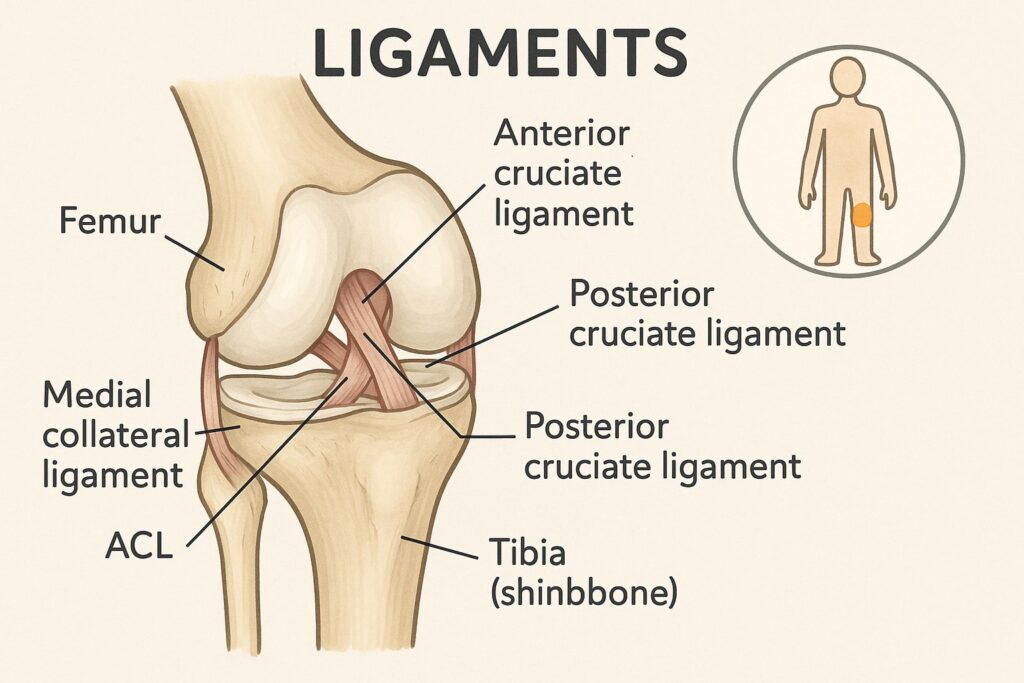
Their primary functions include:
- Stabilizing joints
- Controlling excessive movement
- Supporting joint mechanics
- Protecting against injury
Healthy ligaments allow smooth movement while maintaining joint stability.
When a ligament is stretched beyond its normal limit or torn, injury occurs.
Common Ligament Injuries
Several joints are particularly vulnerable to ligament damage.
Knee Ligament Injuries
The knee contains:
- ACL (Anterior Cruciate Ligament)
- PCL (Posterior Cruciate Ligament)
- MCL (Medial Collateral Ligament)
- LCL (Lateral Collateral Ligament)
These injuries commonly occur during sports and sudden directional changes.
Ankle Ligament Injuries
Ankle sprains often involve ligament overstretching caused by twisting movements.
Shoulder Ligament Injuries
Falls and contact sports can damage shoulder-supporting ligaments.
Wrist Ligament Injuries
Often seen after falls onto an outstretched hand.
Common Causes of Ligament Injuries
Patients seeking Ligament injury treatment Jaipur Raja Park frequently experience injuries caused by:
Sports Activities
Football, cricket, badminton, basketball, and running.
Sudden Twisting Movements
Especially during rapid changes in direction.
Falls
A common cause of ankle, knee, and wrist injuries.
Poor Landing Mechanics
Frequently seen in jumping sports.
Weak Supporting Muscles
Reduced muscular support increases stress on ligaments.
Previous Injuries
Improperly rehabilitated injuries often recur.
Symptoms of a Ligament Injury
The severity of symptoms depends on the extent of damage.
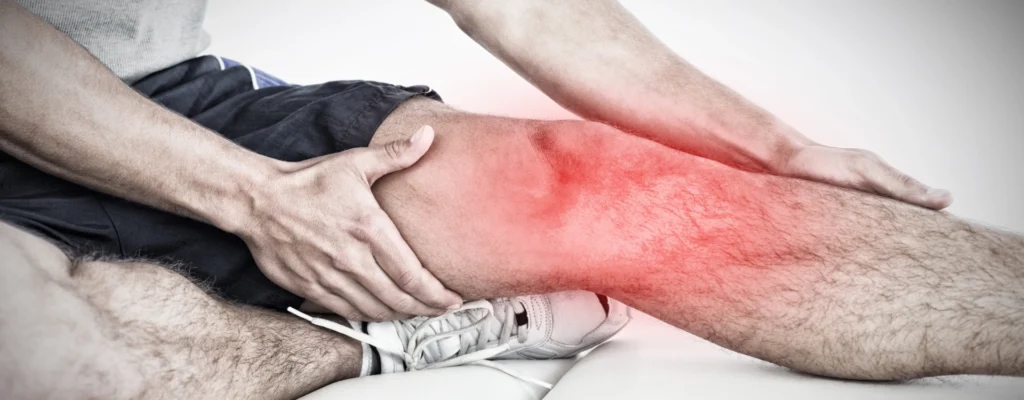
Common Signs Include:
- Sudden pain
- Swelling
- Bruising
- Joint instability
- Restricted movement
- Difficulty bearing weight
- Popping sensation during injury
Early assessment is important to determine the severity of the injury.
Understanding Ligament Injury Grades
Grade 1 Ligament Injury
A mild stretch without significant tearing.
Symptoms:
- Mild discomfort
- Minimal swelling
- Stable joint
Grade 2 Ligament Injury
Partial tearing of ligament fibers.
Symptoms:
- Moderate pain
- Swelling
- Reduced joint stability
Grade 3 Ligament Injury
Complete ligament rupture.
Symptoms:
- Severe instability
- Significant swelling
- Functional limitations
These injuries often require extensive rehabilitation and, in some cases, surgery.
Why Physiotherapy Is Essential for Ligament Recovery
Many patients stop treatment once pain decreases.
However, true recovery involves:
- Restoring strength
- Improving stability
- Rebuilding confidence
- Correcting movement patterns
Physiotherapy helps address all these factors.
Professional Ligament injury treatment Jaipur Raja Park focuses on complete recovery rather than symptom management alone.
8 Essential Steps for Faster Recovery and Stronger Joints
1. Early Assessment and Diagnosis
Accurate assessment identifies:
- Injury severity
- Joint instability
- Movement limitations
This allows physiotherapists to create a personalized rehabilitation plan.
2. Pain and Swelling Management
The initial goal is reducing inflammation and discomfort.
Common Physiotherapy Techniques:
- Cryotherapy
- Compression strategies
- Electrotherapy
- Gentle movement exercises
3. Restoring Joint Mobility
After injury, stiffness often develops.
Mobility exercises help:
- Improve flexibility
- Reduce restrictions
- Restore normal movement
4. Muscle Strengthening
Strong muscles protect healing ligaments.
Rehabilitation often focuses on:
- Quadriceps
- Hamstrings
- Gluteal muscles
- Core muscles
depending on the injured joint.
5. Balance and Proprioception Training
Ligament injuries affect body awareness and balance.
Specialized exercises improve:
- Stability
- Coordination
- Joint control
6. Functional Movement Training
Patients gradually progress toward:
- Walking
- Running
- Climbing stairs
- Squatting
- Sport-specific movements
7. Injury Prevention Strategies
Physiotherapists identify risk factors such as:
- Muscle imbalances
- Poor technique
- Weak stabilizers
Correcting these issues reduces future injury risk.
8. Safe Return to Activity
Returning too early can cause reinjury.
Structured rehabilitation ensures:
- Adequate strength
- Proper movement patterns
- Joint stability
before returning to sports or work.
Advanced Physiotherapy Treatments at SMASH Physiotherapy Clinic
Manual Therapy
Improves joint mobility and tissue flexibility.
Sports Rehabilitation Programs
Customized recovery plans for athletes.
Dry Needling Therapy
Helps reduce muscular tightness and pain.
Myofascial Release Therapy
Improves soft tissue mobility and circulation.
Electrotherapy
Supports healing and pain management.
Functional Rehabilitation
Focuses on restoring real-world movement abilities.
Common Mistakes That Delay Recovery
Many patients unintentionally prolong healing by:
- Ignoring symptoms
- Returning to sports too early
- Avoiding rehabilitation exercises
- Relying solely on rest
- Skipping follow-up treatment
Avoiding these mistakes significantly improves recovery outcomes.
Lifestyle Tips for Stronger Ligaments
Maintain Healthy Body Weight
Reduces stress on joints.
Stay Physically Active
Regular movement promotes joint health.
Strength Train Consistently
Strong muscles support ligament function.
Warm Up Before Exercise
Prepares tissues for activity.
Improve Flexibility
Flexible muscles reduce joint stress.
Why Choose SMASH Physiotherapy Clinic in Jaipur?
Patients choose SMASH because of its patient-focused rehabilitation approach.
Key Advantages Include:
- Experienced physiotherapists
- Advanced rehabilitation techniques
- Personalized treatment plans
- Sports injury expertise
- Functional recovery programs
- Long-term injury prevention strategies
These qualities make SMASH a trusted destination for Ligament injury treatment Jaipur Raja Park.
Long-Term Benefits of Proper Ligament Rehabilitation
Successful rehabilitation helps patients achieve:
- Better joint stability
- Reduced pain
- Improved strength
- Enhanced mobility
- Reduced injury recurrence
- Greater confidence during activity
Conclusion
Ligament injuries should never be ignored or treated with rest alone. Proper rehabilitation is essential for restoring joint stability, preventing future injuries, and returning to daily activities safely.
If you are searching for professional Ligament injury treatment Jaipur Raja Park, SMASH Physiotherapy Clinic in Jaipur offers advanced rehabilitation programs, sports injury management, and personalized physiotherapy solutions designed for complete recovery.
If you are searching for top-rated Physiotherapy clinic near me in Jaipur, SMASH Physiotherapy Clinic offers expert ligament rehabilitation, sports injury recovery, orthopedic physiotherapy, and customized treatment programs for long-term mobility and joint health.