
A sharp pain running from your lower back down your leg can make everyday activities challenging. Whether you’re sitting at your desk, driving, climbing stairs, or simply walking, sciatica can affect your comfort and mobility. Many individuals ignore the early signs of sciatica, assuming it is just temporary back pain. However, untreated sciatic nerve irritation can gradually worsen and interfere with daily life.
If you are searching for a trusted Sciatica pain specialist Jawahar Nagar, early physiotherapy intervention can help relieve pain, improve mobility, and prevent long-term complications.
At SMASH Physiotherapy Clinic in Jaipur, patients receive evidence-based sciatica rehabilitation programs designed to address the root cause of nerve irritation. Through advanced physiotherapy techniques, manual therapy, posture correction, and customized exercise plans, SMASH helps patients recover safely and return to an active lifestyle.
This comprehensive guide explains the causes, symptoms, risk factors, treatment options, and warning signs that indicate you should consult a Sciatica pain specialist Jawahar Nagar.
What Is Sciatica?
Sciatica is a condition that occurs when the sciatic nerve becomes compressed, irritated, or inflamed.
The sciatic nerve is the largest nerve in the body and extends from the lower back through the hips, buttocks, and down each leg.
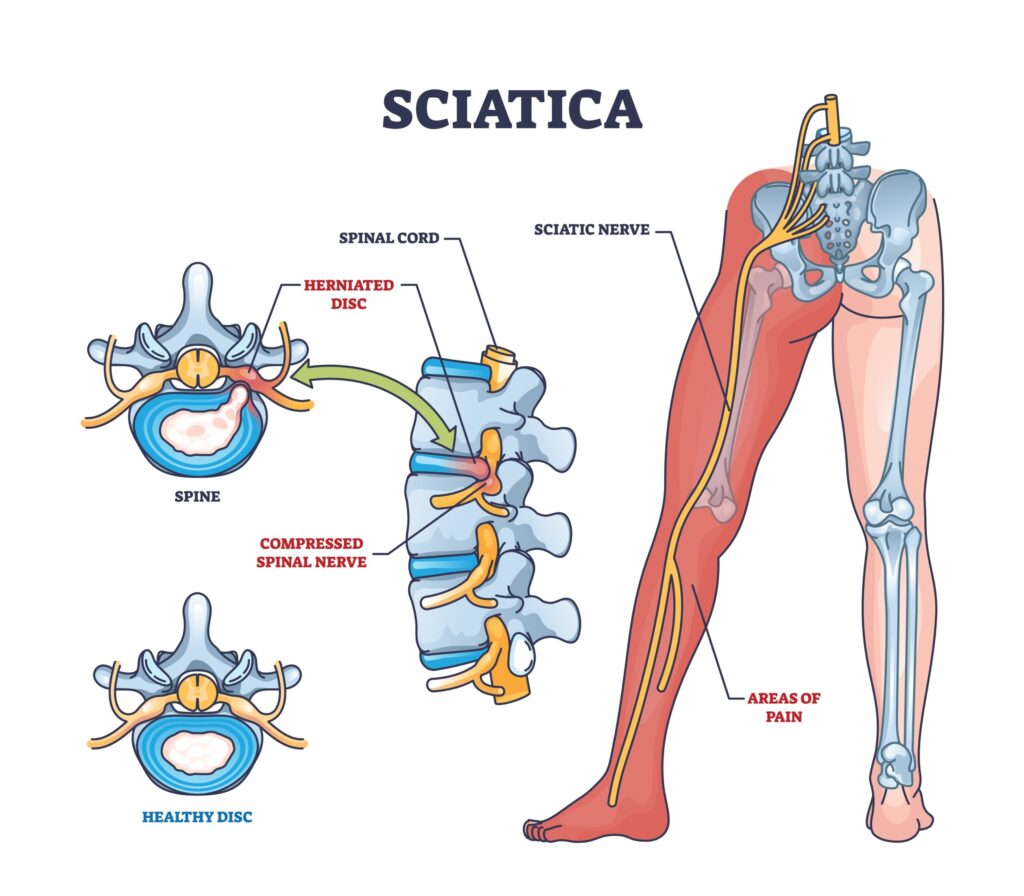
When pressure is placed on this nerve, it can cause pain and neurological symptoms along its pathway.
Common Symptoms Include:
- Lower back pain
- Pain radiating down one leg
- Burning sensation
- Tingling
- Numbness
- Muscle weakness
- Difficulty walking
Professional treatment from a Sciatica pain specialist Jawahar Nagar can help identify the source of nerve irritation and provide targeted treatment.
What Causes Sciatica?
Sciatica is not a disease itself but a symptom of an underlying condition.
Common Causes Include:
Herniated Disc
A slipped or bulging disc can press against the sciatic nerve.
Piriformis Syndrome
The piriformis muscle may compress the sciatic nerve, causing pain and discomfort.
Spinal Stenosis
Narrowing of the spinal canal can place pressure on nerve roots.
Degenerative Disc Disease
Age-related spinal changes may contribute to nerve irritation.
Poor Posture
Long-term poor posture can increase stress on the lower back.
Prolonged Sitting
Sitting for extended periods can worsen sciatic nerve compression.
9 Warning Signs You Should Never Ignore
1. Pain Radiating Down the Leg
The most common sign of sciatica is pain that travels from the lower back into the buttock and leg.
Unlike ordinary back pain, sciatica follows the pathway of the sciatic nerve.
2. Persistent Lower Back Pain
If lower back pain continues for weeks and spreads toward the leg, it may indicate nerve involvement.
3. Tingling or Pins-and-Needles Sensation
Many patients describe an unusual tingling sensation in the leg, calf, or foot.
This symptom often signals nerve irritation.
4. Numbness in the Leg or Foot
Reduced sensation may affect walking and daily activities.
Ignoring numbness can delay recovery and worsen nerve dysfunction.
5. Burning Pain While Sitting
Sciatica often becomes more noticeable during prolonged sitting.
Office workers frequently experience worsening symptoms after extended desk work.
6. Muscle Weakness
Weakness in the leg may indicate significant nerve compression.
This can affect balance and mobility.
7. Pain During Walking
Some individuals experience increased pain while walking or standing for long periods.
Professional physiotherapy can help improve walking mechanics and reduce discomfort.
8. Difficulty Bending Forward
Simple activities such as picking up objects may become painful and restricted.
9. Symptoms That Keep Returning
Recurring episodes of leg pain, numbness, or lower back discomfort suggest that the underlying issue has not been fully addressed.
A consultation with a Sciatica pain specialist Jawahar Nagar can help prevent chronic problems.
Risk Factors for Developing Sciatica
Certain lifestyle and health factors increase the risk of sciatica.

Common Risk Factors Include:
- Sedentary lifestyle
- Obesity
- Poor posture
- Frequent lifting
- Lack of exercise
- Long driving hours
- Weak core muscles
- Age-related spinal changes
How Physiotherapy Helps Sciatica Recovery
Physiotherapy is one of the most effective non-surgical approaches for managing sciatica.
The goal is to:
- Reduce nerve irritation
- Improve spinal mobility
- Strengthen supporting muscles
- Restore movement
- Prevent recurrence
At SMASH Physiotherapy Clinic, treatment plans are tailored to each patient’s specific condition.
Advanced Treatments Used for Sciatica
1. Manual Therapy
Hands-on techniques improve spinal movement and reduce stiffness.
Benefits:
- Improved mobility
- Reduced pain
- Better circulation
2. Posture Correction
Poor posture contributes significantly to sciatic nerve irritation.
Physiotherapists help patients develop healthier movement habits.
3. Dry Needling Therapy
Dry needling helps release tight muscles that may contribute to nerve compression.
4. Electrotherapy
Advanced modalities such as TENS and IFT therapy help manage pain and inflammation.
5. Core Strengthening Programs
Strong core muscles provide better support for the spine and reduce pressure on nerve structures.
Best Exercises for Sciatica Patients
Piriformis Stretch
Helps reduce pressure around the sciatic nerve.
Knee-to-Chest Stretch
Improves lower back flexibility.
Cat-Cow Stretch
Enhances spinal mobility.
Pelvic Tilt Exercise
Strengthens spinal support muscles.
Bridge Exercise
Improves hip and lower back stability.
Hamstring Stretch
Reduces tension affecting the lower back and pelvis.
Common Mistakes That Worsen Sciatica
Many patients unknowingly aggravate their symptoms.
Avoid:
- Prolonged bed rest
- Poor sitting posture
- Heavy lifting
- Ignoring symptoms
- Skipping physiotherapy exercises
- Delaying treatment
Lifestyle Tips for Preventing Sciatica
Stay Physically Active
Regular movement reduces spinal stiffness.
Improve Posture
Maintain proper alignment while sitting and standing.
Strengthen Core Muscles
A strong core supports spinal health.
Take Frequent Movement Breaks
Avoid sitting continuously for long periods.
Maintain Healthy Body Weight
Reduced weight decreases stress on the spine.
When Should You Visit a Sciatica Specialist?
Seek professional care if:
- Pain lasts longer than two weeks
- Leg numbness increases
- Walking becomes difficult
- Symptoms recur frequently
- Pain interferes with work or sleep
Early treatment usually leads to better recovery outcomes.
Why Choose SMASH Physiotherapy Clinic in Jaipur?
Patients choose SMASH because of its personalized approach to rehabilitation.
Advantages Include:
- Experienced physiotherapists
- Individualized treatment plans
- Advanced rehabilitation techniques
- One-on-one patient care
- Focus on long-term recovery
These qualities make SMASH a trusted destination for those searching for a Sciatica pain specialist Jawahar Nagar.
Conclusion
Sciatica can affect mobility, comfort, and overall quality of life if left untreated. Recognizing the early warning signs and seeking professional care can make a significant difference in recovery.
If you are searching for a trusted Sciatica pain specialist Jawahar Nagar, SMASH Physiotherapy Clinic in Jaipur offers advanced physiotherapy treatments, personalized rehabilitation programs, and evidence-based care designed to relieve pain and restore movement effectively.